
Entwicklung eines Masterprogramms: MSc in Branding & Communication
emlyon business school, Paris
Programmüberblick
An der emlyon business school in Paris habe ich den MSc in Branding & Communication entwickelt und leite das Programm als Program Director. Im Einklang mit den Werten von emlyon und ihrem Status als „Société à Mission“ seit 2021 stellt dieses Masterprogramm Purpose-driven Branding, Ethik und kreative Kultur in den Mittelpunkt. Es bereitet zukünftige Führungskräfte darauf vor, in einem internationalen Umfeld Marken- und Kommunikationsstrategien mit starkem „Impact" zu entwickeln. Das Programm ist die erfolgreichste Neueinführung der Hochschule und hat mehr als doppelt so viele Studierende angezogen wie ursprünglich geplant..
Programmdesign
Branding & Communication ist ein klar definiertes Feld, zugleich aber breit genug, um vielfältige Karrierewege zu eröffnen. Diese Breite macht es jedoch auch herausfordernder, das Programm klar von anderen Angeboten im Markt abzugrenzen. Daher habe ich vier zentrale Säulen definiert, die dem Programm ein charakteristisches Profil verleihen sollen:

Unternehmerisches Denken & kreative Markenführung
Unternehmertum trifft auf den Geist des Design Thinking – geprägt von Kreativität, Experimentierfreude, Neugier, Innovation und Optimismus.

Digitalisierung
Integration von Technologie in Markenstrategien, um dynamische, interaktive und stark personalisierte Kundenerlebnisse zu schaffen.

Inhaltsstrategie & inhaltliche Tiefe
Content ist King. Mit Fokus auf zeitlose analytische Fähigkeiten (z. B. Semiotik, Symbolik, Konsumentenpsychologie) lernen Studierende, KI-Systeme gezielt zu steuern und einzusetzen.

Purpose & Ethik
Die Studierenden lernen, ihre eigene Lebensaufgabe im privaten und beruflichen Kontext zu reflektieren und Marken an einem höheren Zweck auszurichten.
Aufbau akademischer Partnerschaften
Im Rahmen der Programmentwicklung habe ich Partnerschaften mit führenden Bildungseinrichtungen aufgebaut. Dazu gehörten die Identifikation und Ansprache potenzieller Partner, die Gestaltung des Studienplans für die Austauschphase sowie Vertrags- und Preisverhandlungen.

Penninghen gehört zu den renommierten Institutionen in Paris für Art Direction und visuelle Kommunikation. In einem fünftägigen Intensivworkshop entwickeln die Studierenden ihre kreativen Fähigkeiten weiter.
Dieser Partner zählt zu den führenden Wirtschaftshochschulen Europas in den Bereichen Innovation, Digitalisierung und Design. Während ihrer Auslandsperiode in Mailand vertiefen die Studierenden die praktische Umsetzung von Markenmanagement in anwendungsorientierten Laborformaten.
Programmvermarktung
In enger Zusammenarbeit mit dem Marketingteam war ich an der Entwicklung der Marketingstrategie beteiligt, insbesondere der digitalen Kommunikation, und wirkte an verschiedenen Maßnahmen zur Gewinnung geeigneter Bewerber mit, darunter Webinare, Interviews und weitere Formate zur Ansprache von Interessenten.
Webinar – MSc in Branding entdecken
Dieses Webinar bringt Studieninteressierte mit dem Programm zusammen, gibt Einblicke in Inhalte, Aufbau und Karriereperspektiven und ermöglicht den direkten Austausch mit dem Programmteam.
Campus Channel
Dieses von Campus Channel produzierte Video stellt das Programm in einem strukturierten Interviewformat vor und behandelt Positionierung, Inhalte, Zulassung und Karriereperspektiven. Campus Channel gehört zur Le Figaro Gruppe und das Video wird über deren Mediennetzwerk verbreitet.
Entwicklung eines Master-Programms: MSc in High-end Brand Management
emlyon business school, Shanghai

Programm-Überblick
Ich habe den MSc in High-End Brand Management an der emlyon business school entwickelt, als Program Director geleitet und war Co-Direktor des Doppelabschlussprogramms mit der Asia Europe Business School in Shanghai. Das Programm fokussiert sich auf Branding und Entrepreneurship in der High-End-Kultur- und Kreativwirtschaft und verbindet akademische Qualität mit einer starken Praxisorientierung durch Projekte mit führenden Marken wie Hermès, Kering und Mercedes-Benz. Es war der erste von der Conférence des Grandes Écoles akkreditierte MSc, der überwiegend außerhalb Frankreichs durchgeführt wurde.
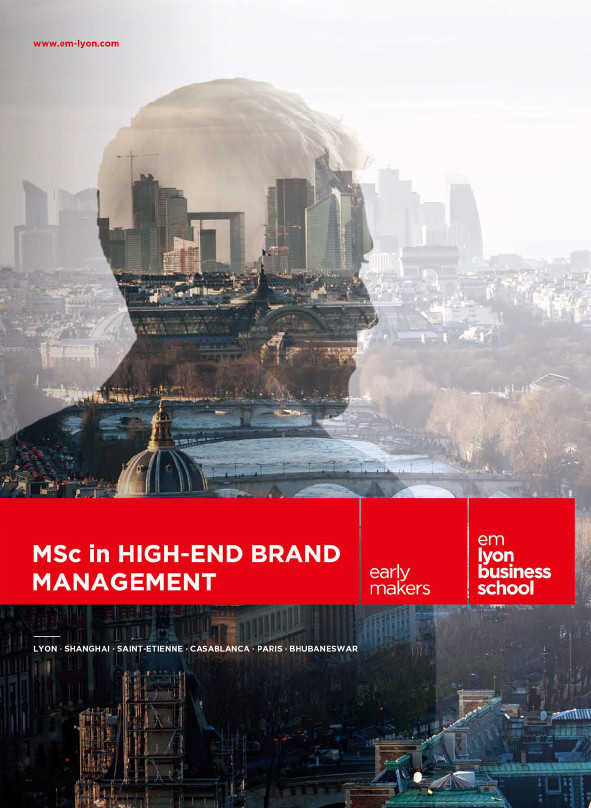
Programm-Broschüre
Die originale Programmeinführung aus der Broschüre (aus dem Englischen übersetzt)
Akkreditierungsdossier
Ich habe das offizielle Akkreditierungsdossier für die Einführung des MSc in High-End Brand Management an der emlyon business school in Shanghai erstellt. Das Dossier wurde bei der Conférence des Grandes Écoles (CGE) eingereicht, der französischen Akkreditierungsinstitution für Masterprogramme der Grandes Écoles. Ziel war es zu zeigen, dass das Programm die akademischen, beruflichen und institutionellen Anforderungen für eine Akkreditierung erfüllt. Das Dossier beschreibt, worum es in dem Programm geht, warum es benötigt wird, für wen es konzipiert ist, zu welchen konkreten Karrieremöglichkeiten es führt und wie akademische Qualität und Governance langfristig sichergestellt werden. Dieses Programm war das erste Master-of-Science-Programm, das von der Conférence des Grandes Écoles akkreditiert wurde und überwiegend außerhalb Frankreichs durchgeführt wird.
Zentrale Bestandteile des Dossiers
- Zielgruppe & Karrieremöglichkeiten: Dieser Teil definiert die Zielgruppe und beschreibt die beruflichen Tätigkeiten, zentralen Kompetenzen, typische Arbeitgeber sowie Funktionen, Positionen und Karrierewege, auf die das Programm vorbereitet. Dabei werden die Anforderungen der High-End- und kreativen Industrien direkt mit den Kompetenzen und Fähigkeiten verknüpft, die Studierende für diese Rollen erwerben sollen.
- Benchmarking & Differenzierung: Ich habe eine Wettbewerbsanalyse und ein Benchmarking mit führenden französischen und internationalen Programmen durchgeführt und gezeigt, wie sich dieses Programm klar differenziert. Die Ergebnisse sind direkt in die Ausrichtung des Programms eingeflossen, insbesondere in den unternehmerischen Fokus und die Orientierung auf High-End-Branding.
- Marktlückenanalyse: Dieser Abschnitt zeigt, warum bestehende Programme nicht ausreichen, welche Lücke dieses Programm schließt und wie es auf strukturelle Veränderungen in der Luxus-, High-End-, Kultur- und Kreativwirtschaft reagiert.
- Akademische und industrielle Partnerschaften: Dieser Teil dokumentiert die Partnerschaften des Programms, einschließlich eines Industry Advisory Boards, die sicherstellen, dass der Studienplan eng an der Praxis ausgerichtet bleibt.
- Struktur des Studienplans: Dieser Abschnitt stellt die Struktur des Studienplans und den Programmablauf dar. Er umfasst alle Module, Kurse und Studienbestandteile mit ihren zentralen Inhalten, Lernzielen und ECTS-Punkten und erklärt die Logik der Kursabfolge und Lernentwicklung sowie die Struktur über die einzelnen Studienphasen hinweg.
- Qualitätssicherung: Dieser Teil erläutert, wie das Programm regelmäßig überprüft und weiterentwickelt wird. Es wird beschrieben, wie Feedback von Studierenden, Alumni, Lehrenden und Praxispartnern erhoben und genutzt wird, um eine systematische und kontinuierliche Weiterentwicklung des Studienplans sicherzustellen.
Zentrale Aufgaben im Programmmanagement
Im Folgenden werden die zentralen Aufgaben bei der Leitung und Weiterentwicklung des Programms beschrieben.
1. Akademische Koordination & Qualität
- Sicherstellen, dass das Programm internationale Akkreditierungsstandards (AACSB, EQUIS, AMBA) erfüllt und den Anforderungen der Conférence des Grandes Écoles (CGE) entspricht, der französischen Akkreditierungsinstitution für Grandes-Écoles-Programme
- Überprüfung der Lehrqualität, der Kursevaluationen und des Feedbacks, um Kurse kontinuierlich zu verbessern und didaktische Innovationen voranzutreiben
2. Steuerung der Lehre
- Auswahl, Gewinnung und Koordination von Dozenten, Gastprofessoren und externen Vortragenden für die Lehre
- Abstimmung mit den Lehrenden zum Programm, seiner Positionierung und dem Profil der Studierenden
- Initiierung von Strategic Committee Meetings zur Steuerung der inhaltlichen Ausrichtung und Prioritäten des Programms
- Identifikation und Bearbeitung von akademischen und operativen Risiken im Programm
3. Studienverlauf und Studierendenbetreuung
- Definition der akademischen Logik der Student Journey (vom Start bis zum Abschluss)
- Enge Abstimmung mit dem Operations Manager des Programms, um eine reibungslose Kursplanung, Kommunikation mit Studierenden und administrative Abläufe sicherzustellen
- Nachverfolgung der Karrierewege der Absolventen (z. B. Einstieg in den Beruf) und Nutzung der Erkenntnisse für die Weiterentwicklung des Programms
4. Programmentwicklung & Innovation
- Weiterentwicklung des Curriculums und Entwicklung neuer Kurse
- Verantwortung für akademische Entscheidungen und die Steuerung des Programms (z. B. Änderungen im Curriculum, Bewertungsrichtlinien, Studienfortschritt)
- Integration von Branchentrends, Praxisprojekten und externem Expertenwissen in das Studienkonzept
- Eigene Lehrtätigkeit im Programm und Mitwirkung an zentralen Kursen
5. Zulassung & Rekrutierung
- Gestaltung des Auswahlverfahrens, einschließlich Interviewfragen und Bewertungskriterien
- Mitwirkung an Auswahlgesprächen und der akademischen Bewertung von Bewerbern
- Beitrag zur Erreichung der Zielkohorte und zum Aufbau einer qualitativ hochwertigen, international vielfältigen Studierendengruppe
- Abstimmung des Marketing- und Kommunikationsplans zur Rekrutierung von Studierenden mit der Fachabteilung
6. Programmpositionierung & Externe Beziehungen
- Externe Positionierung und Vermarktung des Programms zur Steigerung der Sichtbarkeit und Gewinnung geeigneter Bewerber
- Interne Kommunikation des Programms über Abteilungen hinweg, insbesondere an Rekrutierungs- und Vertriebsteams in verschiedenen Ländern, damit diese das Programm, seine Zielgruppe und Positionierung klar verstehen und aktiv unterstützen
- Fachlicher Beitrag zu Rankings, Akkreditierungen, Qualitätsprüfungen und offiziellen Berichten
- Einrichtung eines Programmbeirats mit renommierten Industriepartnern
7. Budgetierung
- Erstellung des jährlichen Programmbudgets einschließlich Planung der Lehrressourcen und externer Dozenten
- Überwachung der Lehrbudgets und der Kosten für externe Dozenten
Entwicklung eines Online-Programms: High-End Brand Management
emlyon business school & CEIBS, Shanghai
Auch das High-End Brand Management Online-Programm an der emlyon business school in Shanghai habe ich konzipiert und geleitet. Das Programm wurde in Kooperation mit der CEIBS, einer der führenden Business Schools Asiens, durchgeführt. CEIBS war für die professionelle Produktion des Programms verantwortlich und gestaltete ein hochwertiges Online-Lernerlebnis, geprägt durch handgezeichnete visuelle Narrative und fortschrittliche digitale Lernwerkzeuge. Dieses Programm war das erste vollständig online durchgeführte Programm der emlyon business school.
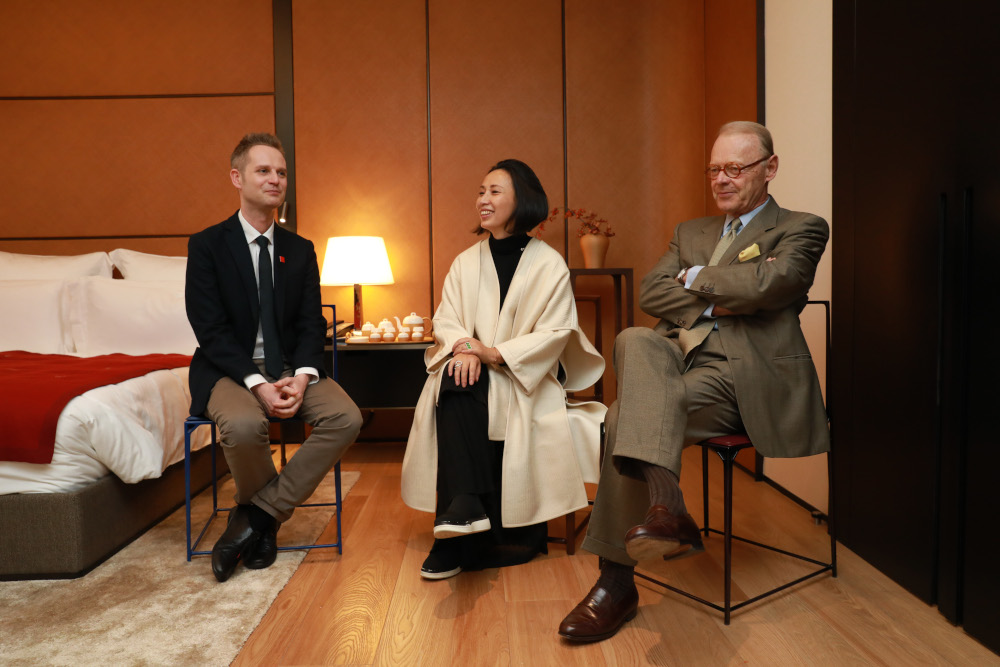
Im Rahmen des Programms habe ich den Onlinekurs „How to Build a High-End Brand“ konzipiert. Der Kurs basiert auf meinem Buch "Build a Brand to Change Your World" und wird durch neue Fallstudien sowie Interviews mit führenden Persönlichkeiten aus dem High-End-Brand-Management ergänzt, darunter Jiang Qiong Er, zu der Zeit CEO und Artistic Director von Shang Xia, sowie Patrick Thomas, ehemaliger Präsident von Hermès.
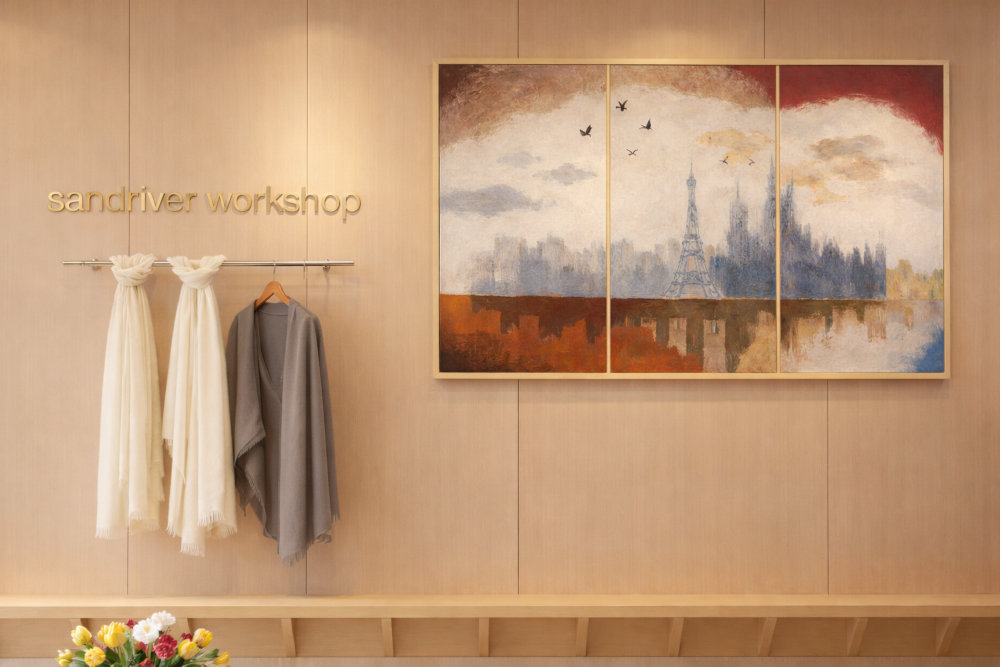
Case Study about Sandriver, Shanghai
How to create a luxury brand in China? This case focuses on Sandriver, one of China’s most renowned luxury cashmere brands, rooted in Shanghai’s vibrant fashion scene and known for blending wearability with modern aesthetics.
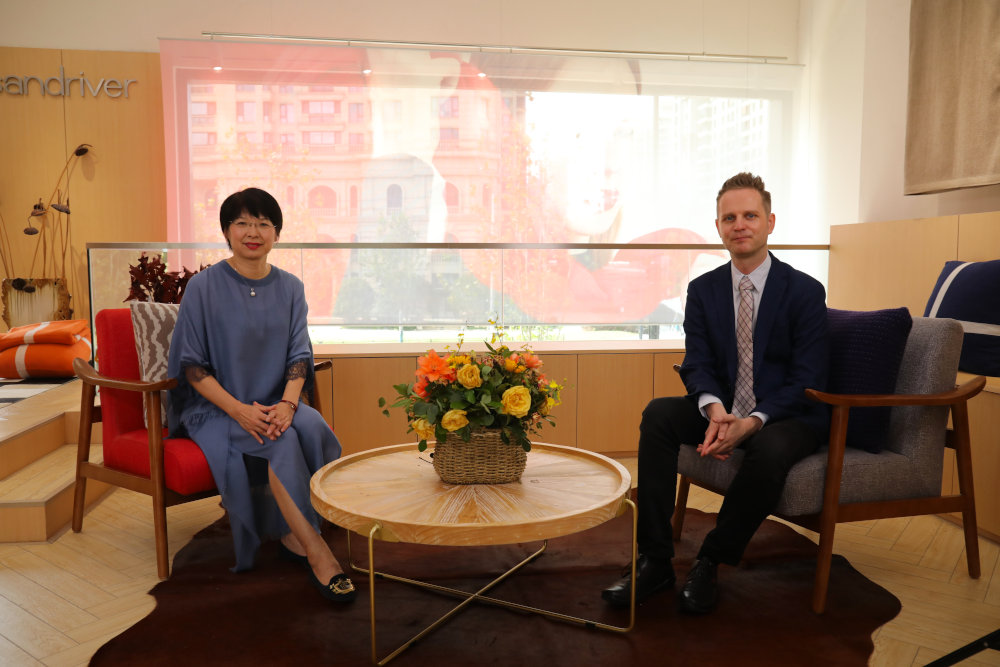
Interview with Sandriver CEO Juliet Guo
Mrs. Guo shared her fascinating journey from growing up on a goat farm in rural Mongolia to moving to Shanghai and founding her own luxury brand. She explained the key lessons involved in building a luxury brand from scratch.

CEIBS Production, Shanghai
CEIBS was responsible for the professional production of the program, creating a high-end online learning experience supported by hand-drawn visual storytelling and advanced digital learning tools.
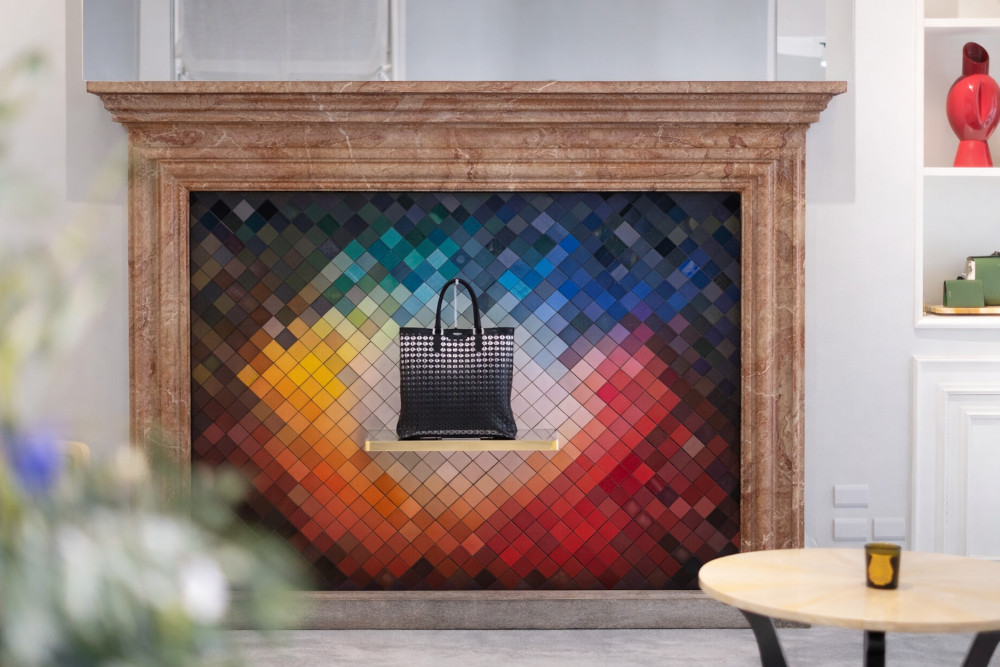
Interview with Serapian CEO Maxime Bohé
Another case study focused on Serapian, one of the world’s most exclusive luxury bag brands. During a visit to the brand’s headquarters and “the secret store” at Villa Mozart in Milan, Maxime Bohé explained the behind-the-scenes mechanisms used to build and strengthen brand prestige, which were incorporated into the online program as applied teaching material.