
Brand Identity Planning
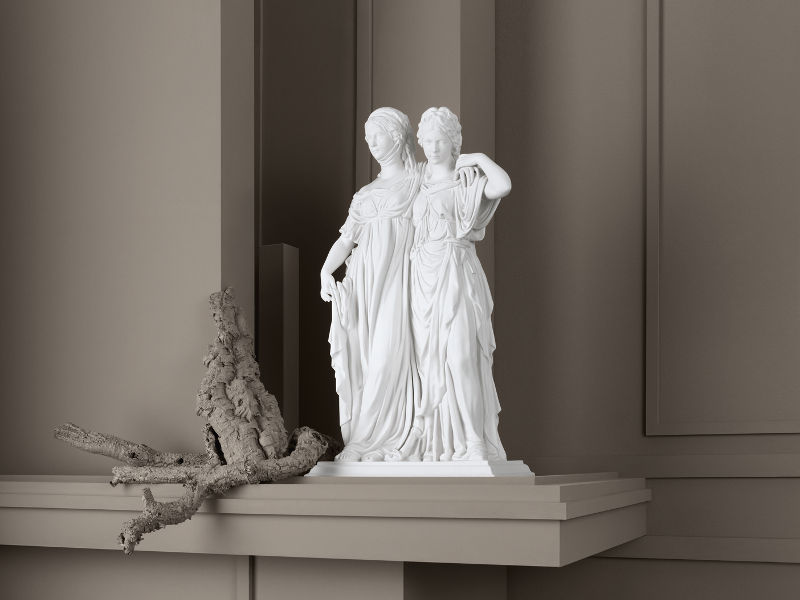
KPM Royal Porcelain Berlin
Developing the brand identity of KPM Royal Porcelain Berlin
The Brand Origin: The Royal Porcelain Manufactory Berlin (German: Königliche Porzellan-Manufaktur Berlin, abbreviated as KPM), whose products are generally called Berlin porcelain, was founded in 1763 by King Frederick II of Prussia. He jokingly referred to himself as his own 'best customer.' For his palaces alone, he ordered 21 dinner services, each of them with 36 place settings and up to 500 separate parts. Along with Augarten, Meissen, and Nymphenburg, KPM is among the best porcelain manufacturers in the world - and also ranks among the best German high-end brands.
The Project: To develop the Brand Identity of KPM - the brand meaning - and to discuss the branding strategy in regular face-to-face meetings with the company's owner and managing director over the course of a year. Starting with a Brand Audit based on the analysis of various market research results and customer surveys, the project concentated on the identification of the Brand DNA by diving deep into the brand's history.
The Challenge: KPM porcelain is much (up to 30x) more expensive compared to premium products - and 'craftmanship' is not enough to justify the price premium. Ideally, KPM porcelain should be connected with a 'dream' that corresponds with the life goals of the target customers.
Discovering the Brand DNA: The Brand Spirit of the Royal Porcelain Manufactory Berlin (KPM Berlin), founded in 1763, can be revealed by looking at what influenced it: The company’s founder, King Frederick II of Prussia, the company owners including seven kings of the House of Hohenzollern, and the regional culture. Although KPM is not marketed as a religious brand, the Brand Spirit relies on Protestantism. It is associated with Prussian virtues and Protestant work ethics, which encourage progress in science and technology. Frederick the Great was influenced also by idealism – the opposite of materialism. According to this philosophical movement, mental ideas are the foundation of all reality. He was inspired by philosophers such as Kant, Leibniz, Locke, and Voltaire, who was famous for his criticism of the Roman Catholic Church and his advocacy of freedom of religion and freedom of speech. This is reflected in the life maxim of Frederick the Great: “Let every man seek heaven in his own fashion.” In his book ‘Anti-Machiavel’ (1739), he criticized Machiavelli’s recommendations on governance mainly from a moral perspective, which reflects a very different conception of the world and of man. Considering himself 'the first servant of the state', he was a proponent of enlightened absolutism.
Combining the Brand Identity with the customer's life goals: The Brand Spirit is expressed by KPM’s iconic products including the Kurland service and the Urbino service, designed in 1931 by Trude Perty, inspired by Bauhaus and the ‘New Objectivity’ movement (‘form follows function’). It represents a protest against consumerism, hedonism and mass-production – by upholding KPM’s artisan manufacturing. It also opposes status-seeking and cultural decay (of the 1920’s) – by upholding high moral standards in all business activities. Holding a KPM cup in their hands, people may feel to become a sophisticated person. In the spirit of KPM, ‘Sophistication’ entails a constant quest for being a better person (which corresponds with the life goals of KPM’s target customers, the ‘intellectual rich’) – (1.) through self-restraint of instant gratification and indulgence (≠ consumerism) and (2.) through self-restraint with respect to the needs of others (≠ status-seeking).
Brand-Building for Soto Massini
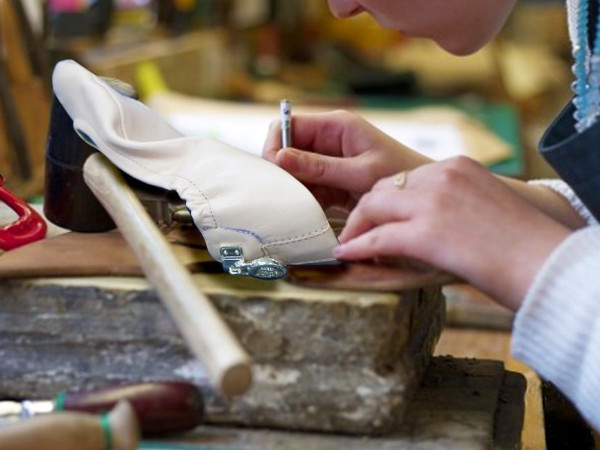
Soto Massini, Austria
Reviewing and refining the brand identity architecture for a women’s footwear start-up
The Brand: Soto Massini makes the first fashion alternative to Sneakers – the world's most comfortable ballet flats by combining stylish upper design with applied biomechanics. Thomas Pichler, the brand's founder, was running one of the most successful Kickstarter campaigns.
The Brand-Building Workshop: Mr. Pichler had focused so far mainly on the product design – now it had come the time to think about his brand: What is his Brand Story? ...Brand Vision? ...Brand Origin? ...Brand Lifestyle? As the brand name is Italian, the headquarters are in the United Stated, the founder is Austrian, the shoes are made in Italy - a key challenge was to get the Brand Story right, to ensure brand authenticity. We developed a Brand Vision, Brand Mission and Brand Purpose and discussed the major brand identity components – based on the Brand-Self-Seven brand-building template.
Luxury City Branding for Vienna
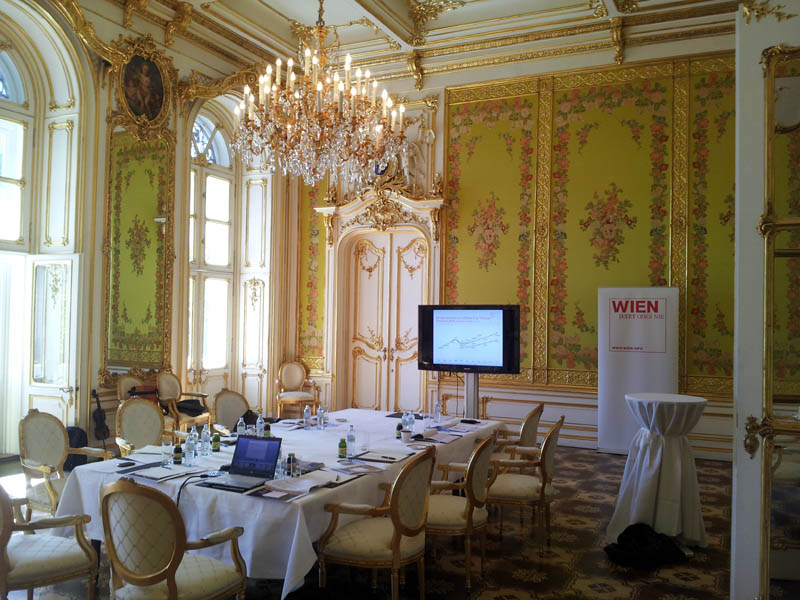
Vienna, Austria
Advising the Vienna tourist board on premium and luxury destination branding
Tourism to Vienna is booming. In 2013, there were 12.7 million overnight stays recorded in the city – an increase of 60 percent since 2003. Vienna’s attractiveness is also exemplified by its dynamic accommodation market. Since 2003, the number of available hotel beds has increased from slightly fewer than 40,000 to more than 60,000 (+53%). The tourism and leisure industry guarantees around 84,000 workplaces. Every million Euros spent by guests during their stay in Vienna creates eleven new full-time workplaces (according to the Vienna Tourist Board / WienTourismus).
The task: The Vienna Tourist Board did not wish to simply rest on its success, but to further improve its competitive position. The Board has set ambitious goals, illustrated by the following formula: 5 x 400 + 20 = 2020. This means that, starting with 2013 as base year and with 2020 as final deadline (1) the number of overnight stays is to increase by five million, (2) the revenue from accommodation is to be stepped up by Euro 400 million, and (3) direct flights to Vienna are to be offered from another 20 metropolises worldwide.
The tourism strategy also has an impact on the development of the city of Vienna. Cities, like products, services or celebrities, can also be branded. For a city of excellence such as Vienna, this is not about mass-marketing, but rather about luxury city branding. This does not mean that Vienna should be a city for the "happy few," rather that it should be for the "happy many." Destination marketing can nevertheless still benefit from luxury marketing techniques. Therefore, the Vienna Tourist Board asked for some advice for its premium and luxury destination branding.
The approach: In September 2013 our cooperation started with the workshop "Luxury Upgrade Vienna", setup by the Vienna Tourist Board for its high-end partners. Big parts of the high-end business community in Vienna attended the seminar including representatives of hotels, restaurants, traditional shops, and well-established luxury brands. Klaus Heine gave a keynote speech about "Luxury City Branding Vienna" which was followed by a podium discussion and workshops that focused on high-end visitors from key markets such as China, the Middle East, North America, and Russia.
In order to achieve the objectives, the Vienna Tourist Board has led the formulation process for the new Tourism Strategy 2020 with a series of innovative formats. Based on the idea of crowd-sourcing, they applied a web-based open innovation process, during which (potential) guests to Vienna as well as the local population were invited to submit their ideas for “Vienna 2020”, resulting in more than 500 ideas from over 40 countries. As a second step, approx. 250 time-tried experts and stakeholders of Vienna’s tourism industry participated in an online dialogue forum, reflected on suggestions, raised new viewpoints and expressed their willingness to take part in concrete implementation steps.
International Advisory Board: For the first time ever, the global perspective and in-depth knowledge of analogous examples from all over the world combined with comprehensive tourism know-how were input by an International Advisory Board. The Board is comprised of: Karl Wöber, the Rector of MODUL University Vienna; Greg Clark, the international advisor for city development, investment and globalization strategies; Yolanda Perdomo, the Director of the UNWTO Affiliate Members Program, and Klaus Heine, who concentrated especially on the premium and luxury component. The Advisory Board met in Vienna for extensive workshops for a total of three times and supported the development of the Tourism Strategy 2020.
Results: The Vienna Tourism Strategy 2020 is the instrument to attain the ambitious goals and relies on three strategic orientations: Global, Smart, and Premium. By 2020, Vienna is to elevate its Global, Smart, and Premium qualities to a new level. PREMIUM Vienna 2020 embodies a strategy of quality leadership that makes the experience of being a guest of Vienna unique and builds on the image of Vienna as a city of elegance and exquisite joie-de-vivre. At each stage of their customer journey – on arrival, during sightseeing, in restaurants and cafés, at the hotel, or when attending musical or cultural events – guests should experience premium quality and a “touch of luxury.” Exclusive experiences and offerings in the high-end range are the spearhead of Vienna as a premium destination. Through their multifaceted interaction, Global, Smart and Premium will make sure that Vienna in 2020 will be perceived as a metropolis of tradition and grandeur that, however, is definitely not stuck in the past but rather keeps pace with the times – a city that is vibrant and constantly changing and renewing itself.
Setting-up a Luxury Toothpaste Brand?
Berlin, Germany
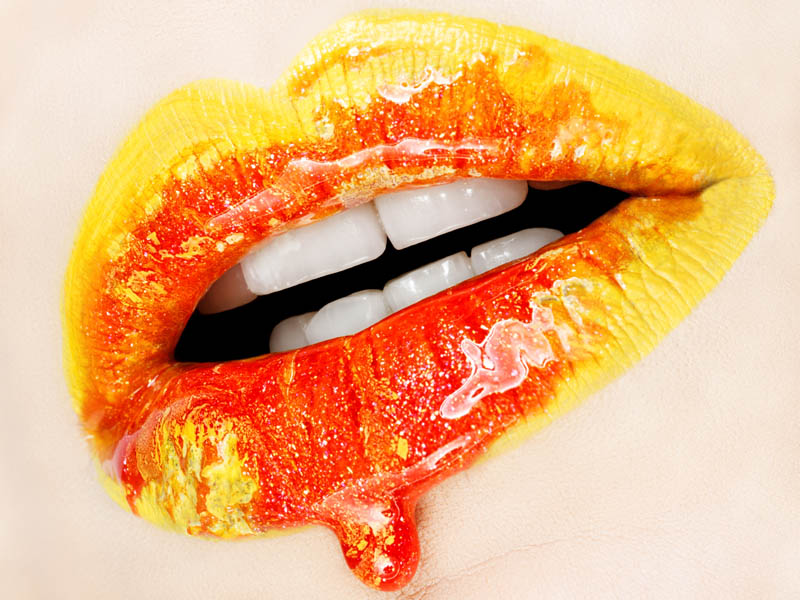
Mentoring and critically evaluating the business model of a proposed luxury toothpaste start-up
The task: A potential entrepreneur asked us to help her with a business plan for a luxury start-up – a luxury toothpaste brand. There already exist many well-established luxury cosmetics categories. For instance, a big share of women have no problem with paying 30€ or 40€ for a lipstick. So wouldn't it make sense to also offer them luxury toothpaste? According to her studies, there was no luxury toothpaste brand on the market yet. Even if only a small proportion of the luxury cosmetics consumers would be interested in luxury toothpaste – this could still mean a lot of €€€ for a luxury niche brand. Based on her expertise in the pharmaceutical industry, she found out that there are no major differences in the ingredients among existing toothpaste products. As it’s a very mature industry segment, investments in R&D are basically not necessary and ingredients are cheap, which promises even more €€€. In contrast, she observed that mass-market toothpaste brands claim in their advertising new innovations and special efficacy. However, based on her market insights, she believed that the unique selling proposition of a luxury toothpaste should not rely on its effectiveness, but better on a big variety of unusual flavors and fancy packaging, making it also suitable for gift-giving.
As a potential entrepreneur, she was wondering how we would evaluate her business model. Of course, she had many related questions: what should the brand stand for? For which brand name should she decide? How to do the marketing-mix? And what's the right price of a luxury toothpaste?
The approach: Similar to many other cases when (potential) entrepreneurs contact us, and also for many other marketing problems, it does not make sense to set-up a big project. In most cases, it's enough and most effective to conduct a mentoring workshop. During these sessions, we discuss the business model and potential problems and strategies with an unbiased view from an outside position. In this case, we analyzed the business idea, including the functional and symbolic product benefits, major purchasing motives and the market potential, together with the client and her team. We discussed similar case studies and the possibility of implementing a luxury brand revival strategy in cooperation with one of the world's oldest toothpaste manufacturers.
Results: Based on the mentoring sessions and after some consideration, the client decided not to further pursue this project. This sounds sad, especially as the business idea appeared so promising at first. The analysis of the business model brought up some solvable problems, but also some crucial weaknesses, which put a big question mark on this venture's chance of survival. Therefore, the client decided to concentrate all her efforts on her current business – and that's the happy end of this story.
Brand Elevation into Luxury
Burkhardtsmaier, Stuttgart
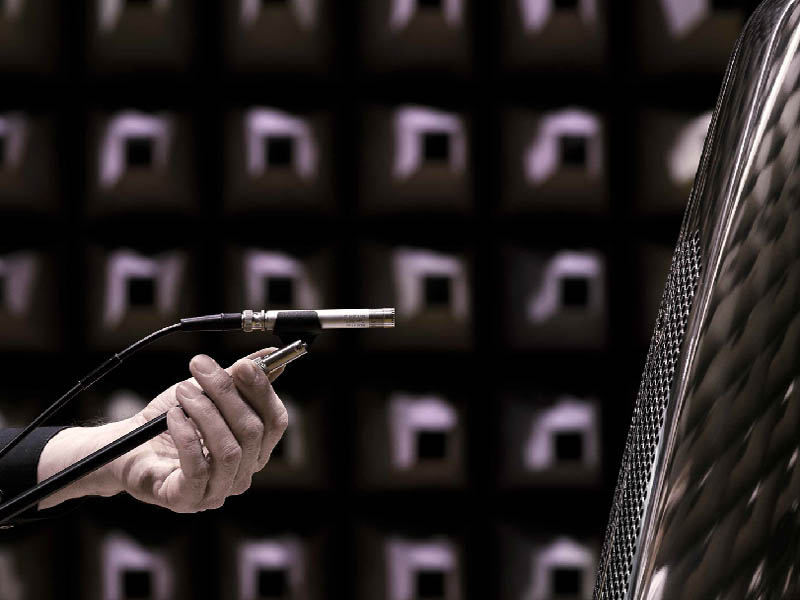
Supporting the trading-up of a premium loudspeaker manufacturer into the luxury segment
The task: We were contacted from a loudspeaker manufacturer in Baden-Württemberg that achieved quality leadership, but still struggled to move-up its brand from the premium into the luxury segment. First of all, they required knowledge about what actually constitutes a luxury brand and how to create one. A key characteristic of luxury brands is their specific symbolic meaning, which marks the major difference to the premium segment. As many engineers are at first a little bit unfamiliar with leaving the world of hard facts, they need some guidance for developing symbolic meaning and equipping their brands with an “aura” and “magic”.
The approach: We developed a brand identity together with the creators of this luxury venture. During our conversations with them, we realized that they actually had a vision for their brand beyond functional product benefits and that they had some "aha" moments in life that sparked their passion for what they do and their desire to change the world of sound reproduction. The conversations helped them to become aware how their life experiences had influenced the way they design their products. We discovered plenty of “raw material” that could be used to create symbolic meaning and for brand storytelling. We provided them some tools to structure their thoughts and to define their brand identity and helped them to comply with the “code of luxury”. The resulting concept of brand identity served as a basis for the development of the corporate / brand design, which was done by a well-established advertising agency. Both, the brand identity and the brand design, were put in writing into a “Brand Charter”.
Results: Project results do not only include the brand identity concept, but an ongoing long-term partnership. We have now been accompanying this venture as a sparring partner for over three years.
In-store Consumer Persuasion
SK II, Kyoto
Reviewing and improving the in-store counseling journey
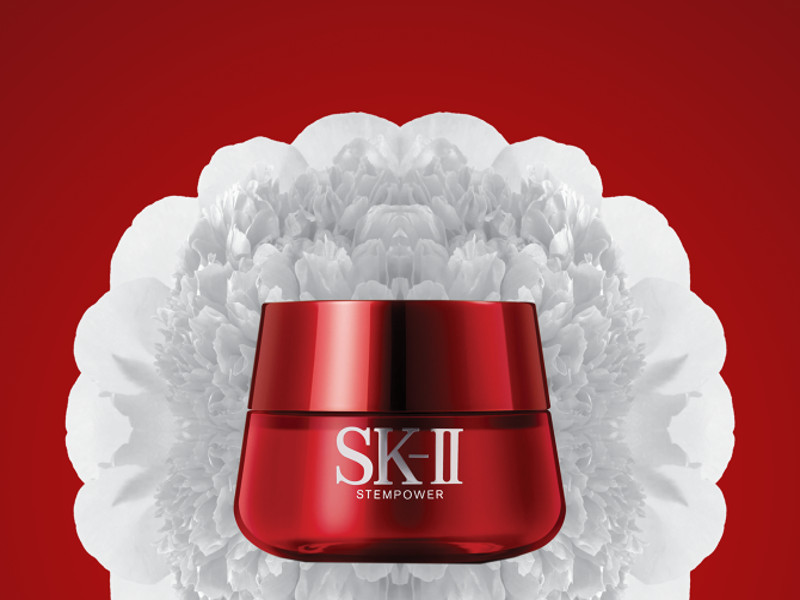
The Brand: SK-II is a Japanese super-premium cosmetics brand launched in the early 1980s based on a compound derived from yeast. Today, it is owned by Procter & Gamble (P&G) and one of the world's largest high-end cosmectics brands with revenues of more than one billion USD. One of the brand's major success drives is its fascinating brand story that gets stuck in the heads of many consumers: Researchers were looking for the secrets of skin rejuvenation and found it in a sake brewery: "The astounding sight of the wrinkled faces of aged sake brewers contrasting their soft youthful hands remained seared in the memories of the SK-II scientists. Back in the confines of the laboratory, they surmised that the secret must lie in the yeast that the brewers’ hands were in constant contact with during the sake fermentation process. And that is how an exhaustive research of over 350 yeast strains began" (SK II, 2019).
The Project for SK II: A keynote speech about 'The Power of Luxury Branding & Consumer Persuasian' at the SK II headquarters in Kobe in Japan and workshops about the improvement of the in-store counseling session, based on research in consumer psychology and persuasion.

Market Study for Meisterkreis
Meisterkreis, Berlin
Market study about the impact of AI, Big Data & blockchain technology on the high-end industry
A study for Meisterkreis, the German association of the high-end cultural and creative industries, on artificial intelligence, big data, and blockchain technology, with a focus on how these emerging technologies are shaping luxury and high-end brands.