
Development of a Master Program: MSc in Branding & Communication
emlyon business school, Paris
Program Overview
At emlyon business school in Paris, I developed the MSc in Branding & Communication and work as Program Director. Aligned with emlyon’s values as a mission-driven company, this Master of Science places ethics, purpose-driven branding, and creative culture at the heart of its learning approach. It prepares future professionals to create and manage high-impact branding and communication strategies in an international environment. The program has become the school’s most successful program launch, attracting more than twice the originally targeted number of students.
Program Design
Branding & Communication is a well-defined field, but also broad enough to open the door to many different career opportunities. At the same time, this breadth makes it more challenging to clearly differentiate the program from others in the market. I therefore defined the following four key pillars to make the program stand out:

Entrepreneurial Spirit & Creative Branding
Entrepreneurship meets the spirit of Design Thinking – defined by creativity, experimentation, curiosity, innovation, and optimism.

Digitalization
Integrating technology into brand strategies to create dynamic, interactive, and highly personalized customer experiences.

Content Strategy & Depth
Content is king. Focusing on timeless analytical skills (e.g., semiotics, symbolism, consumer psychology), students learn how to direct and guide AI systems.

Purpose & Ethics
Students learn how to discover their purpose in life, their career, and how to align a higher-order reason for existence with a brand.
Developing Academic Partnerships
As part of the program development, I established partnerships with leading educational institutions for the new program. This included identifying and approaching potential partners, designing the program schedule for the exchange period, and conducting contract and pricing negotiations.

Penninghen is one of Paris’s leading schools in art direction and visual communication. Students will develop their creative skills through a five-day creative immersion workshop.
This partner is one of Europe’s leading business schools in innovation, digitization, and design-driven management. During an exchange period in Milan, students will strengthen the practical side of branding and communication through applied lab courses.
Program Promotion
In close cooperation with the marketing team, I contributed to the development of the marketing and especially the digital communication plan and was involved in a range of recruitment activities aimed at attracting prospective students, including webinars, interviews, and related outreach initiatives.
Webinar - Discover the MSc in Branding
This webinar is designed to connect prospective students with the program, providing detailed insights into its content, structure, and career opportunities, while enabling direct exchange with the program team.
Campus Channel
Produced by Campus Channel, this video presents the program in a structured interview format covering its positioning, content, admissions, and career opportunities. Campus Channel is part of Le Figaro Group, and the video is distributed across its extensive media network.
Development of a Master Program: MSc in High-end Brand Management
emlyon business school, Shanghai

Program Overview
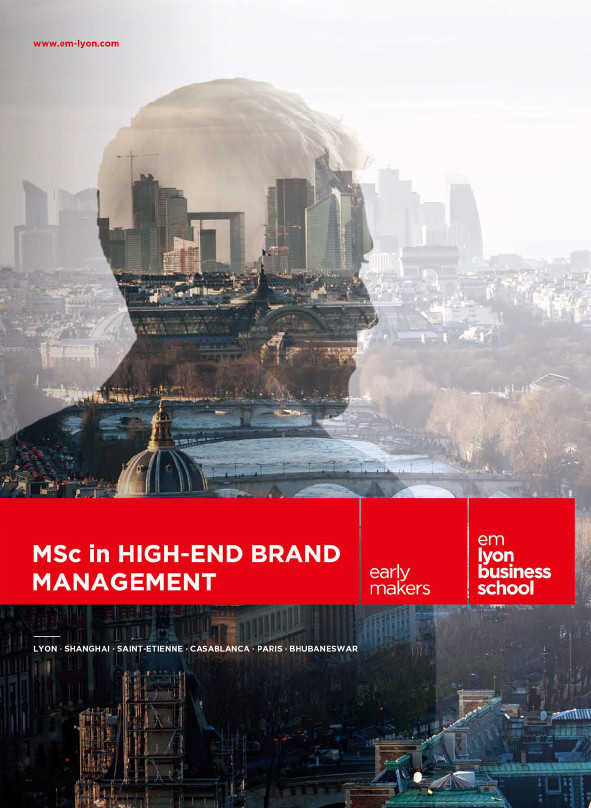
I developed the MSc in High-End Brand Management at emlyon business school, worked as Program Director, and was Co-Director of the double-degree program with Asia Europe Business School in Shanghai. The program focuses on branding and entrepreneurship for the high-end cultural and creative industries, combining academic rigor with strong industry integration through applied projects with leading high-end brands such as Hermès, Kering, and Mercedes-Benz. It was the first MSc accredited by the Conférence des Grandes Écoles to be delivered primarily outside France.
Program Brochure
The original Program Introduction from the Brochure
Accreditation Dossier
I developed the official accreditation dossier for the creation of the MSc in High-End Brand Management at emlyon business school, Shanghai, for submission to the Conférence des Grandes Écoles (CGE), the French accreditation body for Grande École master’s programs. Its purpose is to demonstrate that the program meets the academic, professional, and institutional standards required for accreditation. It defines what the program is about, why it is needed, who it is designed for, how it leads to concrete career outcomes, and how academic quality and governance are ensured over time. This program was the first Master of Science accredited by the Conférence des Grandes Écoles to be delivered primarily outside France.
Core Components of the Dossier
- Target Audience & Career Opportunities: This part defines the target audience and describes the professional activities, core competencies, typical types of future employers, and the functions, jobs, and career paths the program prepares students for. It explicitly links industry expectations in the high-end and creative industries to the competencies and skills students are expected to acquire for these roles.
- Benchmarking & Differentiation: I conducted a competitor analysis and benchmarking against leading French and international programs, demonstrating how this program is positioned differently. The benchmarking directly informed decisions regarding the program’s entrepreneurial focus and high-end branding orientation.
- Market Gap Analysis: This section shows why existing programs were not sufficient, what gap this program fills, and how it responds to structural changes in luxury, high-end cultural & creative industries.
- Academic & Industry Partnerships: This part documents the program’s partnerships, including an industry advisory board, which help keep the curriculum aligned with real-world developments.
- Curriculum Architecture: This section presents the curriculum architecture and program schedule, outlining all modules, courses and study components with their key topics, learning objectives, and ECTS, and explaining the logic of course sequencing and learning progression, as well as how modules and courses are structured across study periods.
- Quality Assurance Framework: This part explains how the program is reviewed and improved over time. It describes how feedback from students, alumni, faculty, and industry partners is collected and used to ensure systematic and continuous curriculum evolution.
Zentrale Bestandteile des Dossiers
- Zielgruppe & Karrieremöglichkeiten: Dieser Teil definiert die Zielgruppe und beschreibt die beruflichen Tätigkeiten, zentralen Kompetenzen, typische Arbeitgeber sowie Funktionen, Positionen und Karrierewege, auf die das Programm vorbereitet. Dabei werden die Anforderungen der High-End- und kreativen Industrien direkt mit den Kompetenzen und Fähigkeiten verknüpft, die Studierende für diese Rollen erwerben sollen.
- Benchmarking & Differenzierung: Ich habe eine Wettbewerbsanalyse und ein Benchmarking mit führenden französischen und internationalen Programmen durchgeführt und gezeigt, wie sich dieses Programm klar differenziert. Die Ergebnisse sind direkt in die Ausrichtung des Programms eingeflossen, insbesondere in den unternehmerischen Fokus und die Orientierung auf High-End-Branding.
- Marktlückenanalyse: Dieser Abschnitt zeigt, warum bestehende Programme nicht ausreichen, welche Lücke dieses Programm schließt und wie es auf strukturelle Veränderungen in der Luxus-, High-End-, Kultur- und Kreativwirtschaft reagiert.
- Akademische und industrielle Partnerschaften: Dieser Teil dokumentiert die Partnerschaften des Programms, einschließlich eines Industry Advisory Boards, die sicherstellen, dass der Studienplan eng an der Praxis ausgerichtet bleibt.
- Struktur des Studienplans: Dieser Abschnitt stellt die Struktur des Studienplans und den Programmablauf dar. Er umfasst alle Module, Kurse und Studienbestandteile mit ihren zentralen Inhalten, Lernzielen und ECTS-Punkten und erklärt die Logik der Kursabfolge und Lernentwicklung sowie die Struktur über die einzelnen Studienphasen hinweg.
- Qualitätssicherung: Dieser Teil erläutert, wie das Programm regelmäßig überprüft und weiterentwickelt wird. Es wird beschrieben, wie Feedback von Studierenden, Alumni, Lehrenden und Praxispartnern erhoben und genutzt wird, um eine systematische und kontinuierliche Weiterentwicklung des Studienplans sicherzustellen.
Main Activities in Program Management
The following outlines the core responsibilities associated with managing and developing the program.
1. Academic Coordination & Quality
- Ensuring the program meets international accreditation standards (AACSB, EQUIS, AMBA) and aligns with the requirements of the Conférence des Grandes Écoles (CGE), the French accreditation body for Grandes Écoles programmes
- Reviewing teaching quality, course evaluations, and feedback to continuously improve courses and drive pedagogical innovation
2. Faculty & Stakeholder Management
- Identifying, appointing, and coordinating faculty members, visiting professors, and guest speakers for course delivery
- Briefing course instructors on the program vision, its positioning, and the student profile
- Initiating Strategic Committee Meetings to steer academic direction and program priorities
- Identifying and addressing academic and operational risks affecting the program
3. Student Experience & Journey
- Defining the academic logic of the student journey (from onboarding to graduation)
- Coordinating closely with the program's operations manager to ensure smooth course scheduling, student communication, and administrative processes
- Tracking graduate outcomes (employment, placements) and integrating insights into program development
4. Program Development & Innovation
- Leading curriculum evolution and new course development
- Taking responsibility for academic decision-making and program governance (e.g. validation of curriculum changes, grading policies, progression rules)
- Integrating industry trends, applied industry projects, and guest expertise into the academic model
- Delivering teaching within the program and contributing to key courses
5. Admissions & Recruitment
- Designing the admissions interview process, including interview questions and evaluation criteria
- Contributing to admissions interviews and the academic evaluation of candidates
- Contributing to achieving the target cohort size and building a highly qualified, internationally diverse student cohort
- Aligning the marketing and communication plan for student recruitment with the relevant department
6. Program Branding & External Relations
- Promoting and positioning the program externally to strengthen its visibility and attract prospective students
- Communicating the program internally across departments, especially to recruitment and sales teams in different countries, so they clearly understand its profile and target audience and are motivated to support it
- Providing academic input for program rankings, accreditation, quality reviews, and official reporting
- Establishing a Program Advisory Board with reputable industry partners
7. Budgeting
- Preparing the annual program budget, including teaching resources and external faculty planning
- Monitoring teaching budgets and external faculty costs
Development of a Digital Program: High-End Brand Management
emlyon business school & CEIBS, Shanghai
In addition, I was also the director of the High-End Brand Management Digital Program at emlyon business school in Shanghai, which I developed in cooperation with CEIBS, one of China’s leading business schools. This program was the first fully online program launched by emlyon business school. I coordinated closely with the CEIBS editorial and production teams, as well as with other course instructors contributing to the online program.
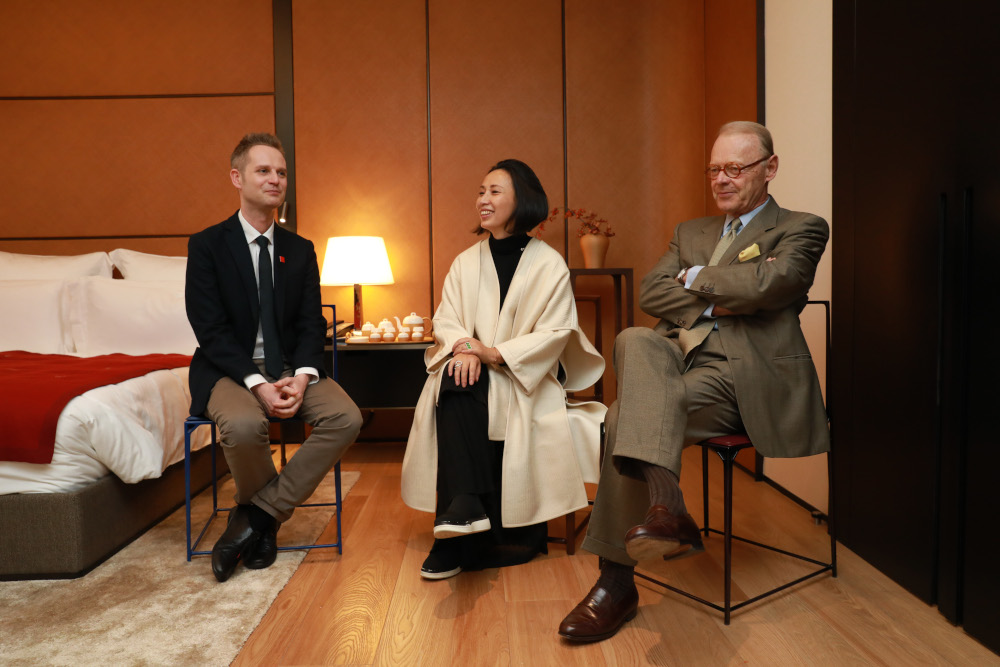
As part of the program, I designed and produced the online course “How to Build a High-End Brand,” based on my book "Build a Brand to Change Your World." The course is enriched with a series of original case studies and interviews with senior high-end brand leaders, including executives from Hermès, Sandriver, Serapian, and Shang Xia.
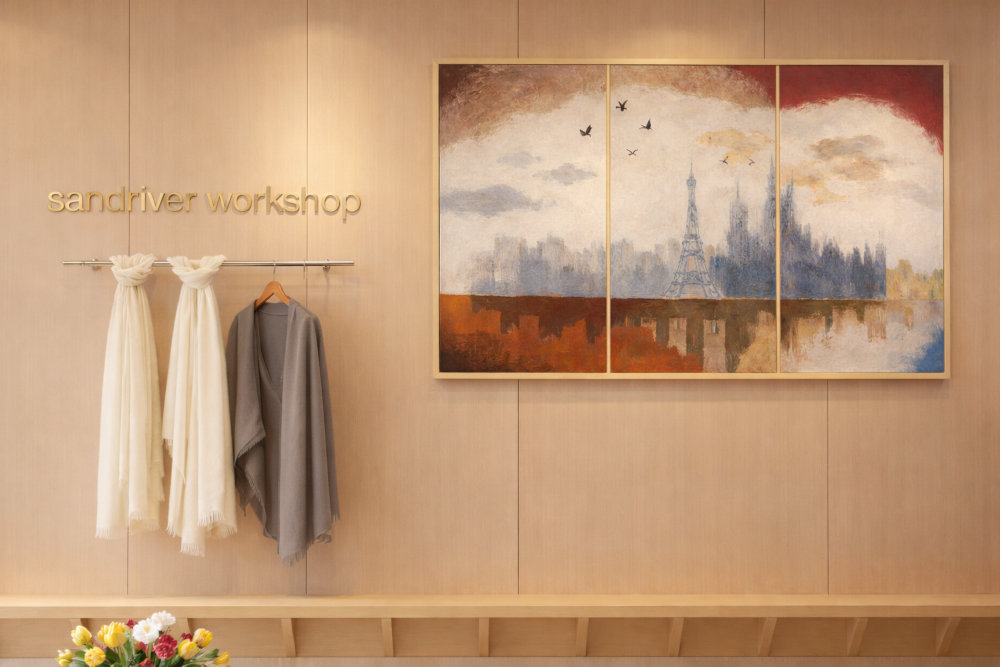
Case Study about Sandriver, Shanghai
How to create a luxury brand in China? This case focuses on Sandriver, one of China’s most renowned luxury cashmere brands, rooted in Shanghai’s vibrant fashion scene and known for blending wearability with modern aesthetics.
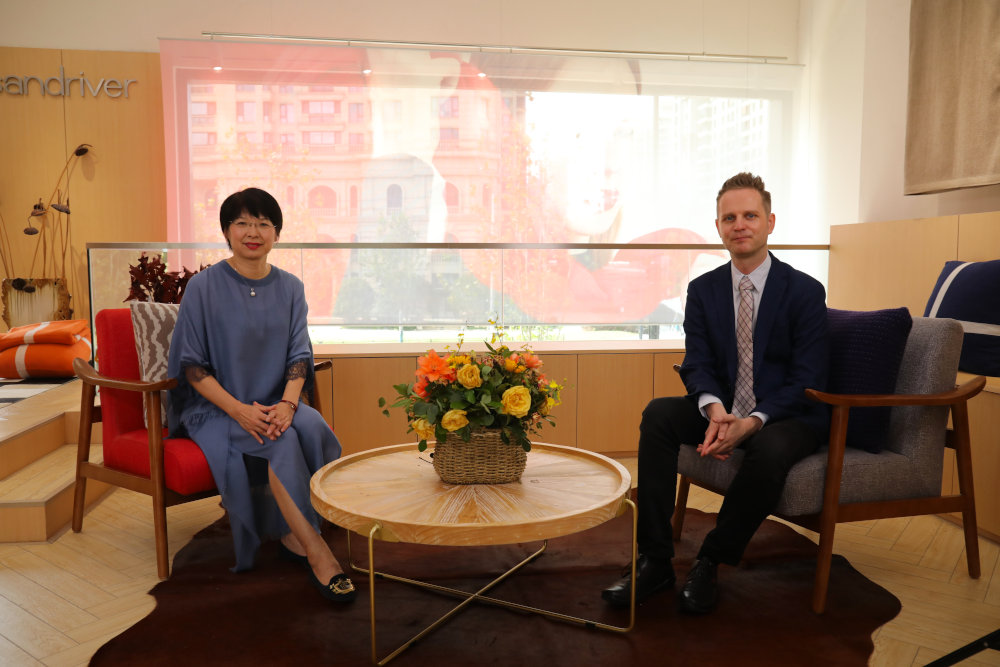
Interview with Sandriver CEO Juliet Guo
Mrs. Guo shared her fascinating journey from growing up on a goat farm in rural Mongolia to moving to Shanghai and founding her own luxury brand. She explained the key lessons involved in building a luxury brand from scratch.

CEIBS Production, Shanghai
CEIBS was responsible for the professional production of the program, creating a high-end online learning experience supported by hand-drawn visual storytelling and advanced digital learning tools.
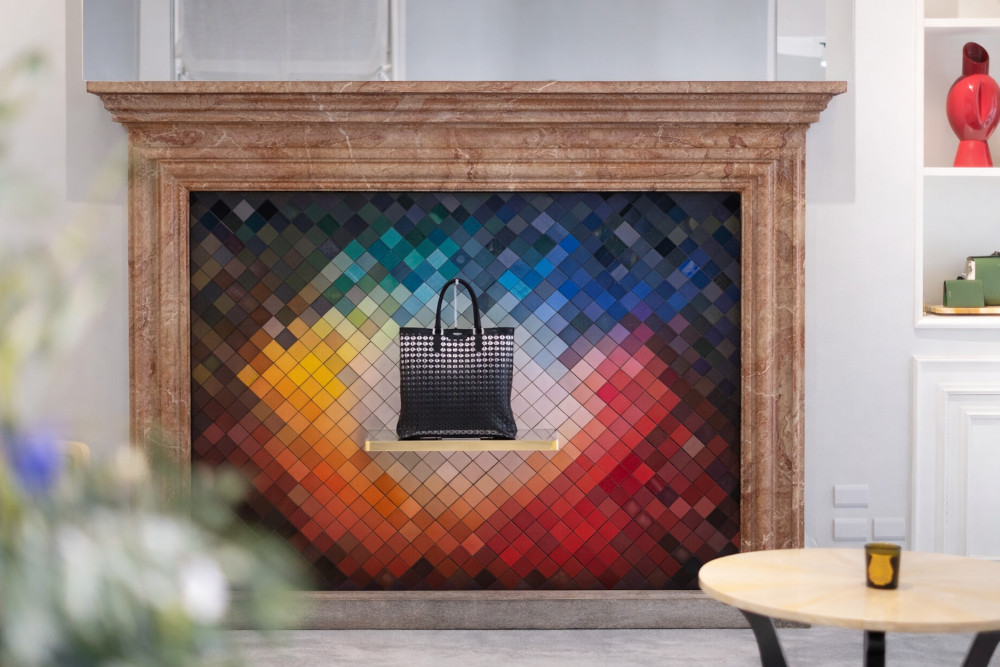
Interview with Serapian CEO Maxime Bohé
Another case study focused on Serapian, one of the world’s most exclusive luxury bag brands. During a visit to the brand’s headquarters and “the secret store” at Villa Mozart in Milan, Maxime Bohé explained the behind-the-scenes mechanisms used to build and strengthen brand prestige, which were incorporated into the online program as applied teaching material.